Introduction
The future of any nation depends on its youth. They are the dreamers, innovators, risk-takers, and leaders of tomorrow. When young people are empowered with the right skills, opportunities, and guidance, they become powerful agents of social change. However, when neglected or ignored, they can feel frustrated, directionless, and even hopeless.
Youth empowerment is not just a slogan—it is a strategy to build stronger societies, reduce poverty, and create a sustainable future. Empowered youth are not only job-seekers but also job-creators, not just followers but leaders, not only learners but teachers for the next generation.
In this article, we will explore what youth empowerment means, why it is essential, its challenges, and practical ways we can empower the young generation for a better tomorrow.
What Is Youth Empowerment?
Youth empowerment is the process of giving young people the knowledge, confidence, resources, and opportunities to take control of their lives and contribute to their communities. It involves:
- Education and skills – Providing access to quality education and vocational training.
- Participation – Encouraging youth to take part in decision-making at local, national, and global levels.
- Mentorship – Guiding them through role models, leaders, and community support.
- Opportunities – Creating pathways for employment, entrepreneurship, and leadership.
Youth empowerment does not mean giving young people everything they want—it means equipping them to make wise decisions, build resilience, and pursue meaningful goals.
Why Youth Empowerment Matters
1. Demographic Strength
In many countries, especially in Asia and Africa, youth make up more than 50% of the population. Ignoring them means ignoring half the nation’s potential.
2. Innovation and Energy
Young people bring fresh ideas, creativity, and energy. Many technological breakthroughs, startups, and social movements have been led by youth.
3. Social Development
When youth are empowered, they engage in community service, fight against inequality, and promote inclusivity.
4. Economic Growth
Empowered youth reduce unemployment by creating businesses, boosting productivity, and increasing innovation.
5. Nation Building
Youth are not just the leaders of tomorrow—they are also the leaders of today. When given a chance, they actively contribute to politics, education reform, climate activism, and entrepreneurship.
Elements of Youth Empowerment
1. Education
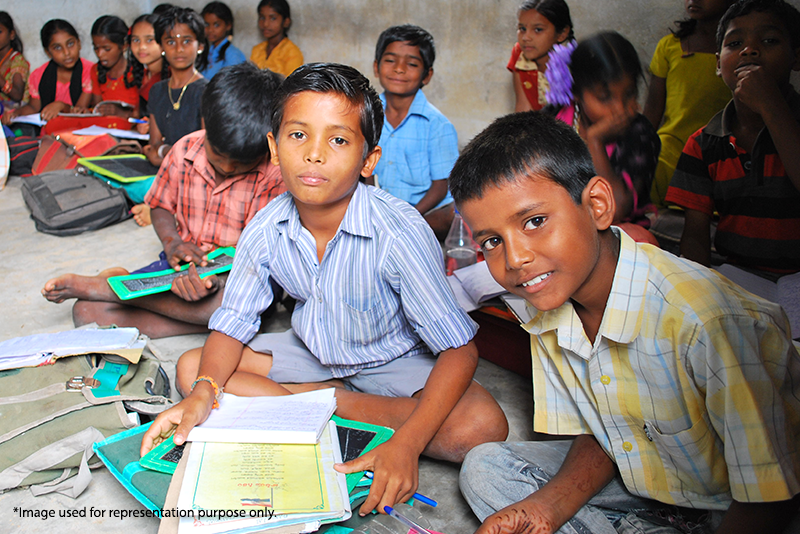
Education is the strongest tool of empowerment. Quality education does not just teach facts but also critical thinking, problem-solving, and creativity.
- Literacy and numeracy are the basics.
- Digital literacy is the new essential.
- Vocational skills prepare youth for practical jobs.
- Higher education builds professionals and leaders.
2. Skill Development
Today’s world demands more than degrees. Skills like communication, teamwork, emotional intelligence, and adaptability are crucial. Governments and NGOs must invest in workshops, training, and internships.
3. Employment and Entrepreneurship
Creating jobs is essential, but equally important is fostering entrepreneurship. Many young people dream of starting businesses but lack funding or guidance. Microfinance, incubators, and startup mentorship programs can turn dreams into reality.
4. Civic Participation
Youth must have a voice in decisions that affect them. Involving them in student councils, youth parliaments, and local governance develops leadership and responsibility.
5. Access to Technology
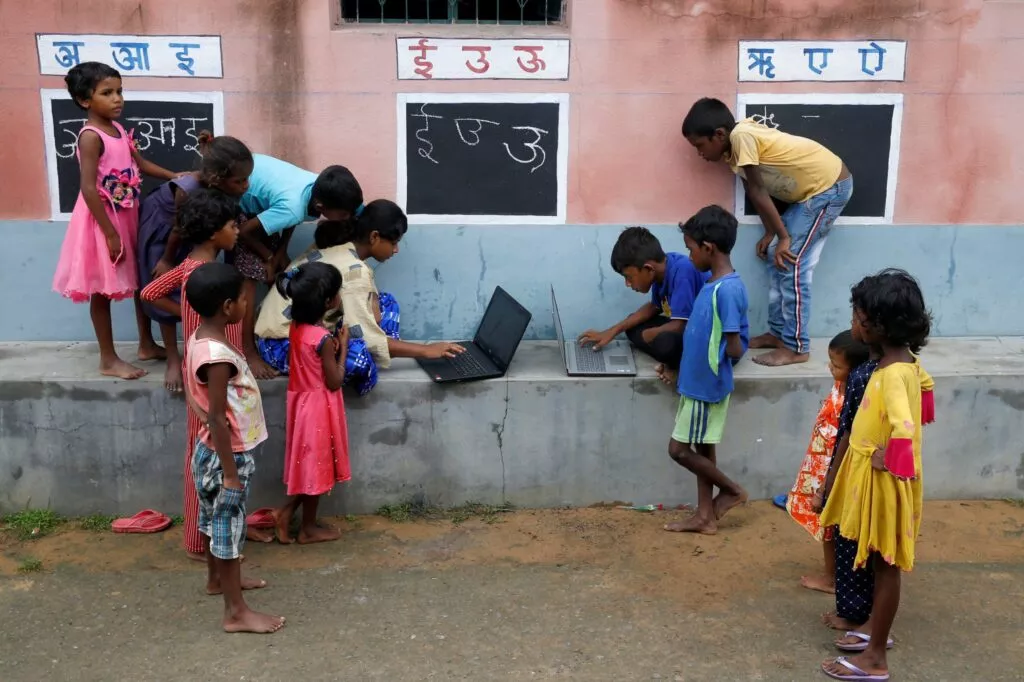
Digital tools can empower youth through online education, networking, and remote work. However, the digital divide must be addressed so that rural and underprivileged youth are not left behind.
6. Mentorship and Role Models
Guidance from elders, professionals, and community leaders gives youth the direction they need. Role models inspire them to believe, “If they can do it, so can I.”
Challenges to Youth Empowerment
Despite the importance, several challenges prevent youth from reaching their full potential:
- Unemployment: Millions of educated youth struggle to find jobs due to economic crises or mismatched skills.
- Lack of Access to Education: Rural and poor communities often lack quality schools and colleges.
- Poverty: Financial struggles force many youth to drop out of school or take low-paying jobs.
- Social Inequality: Gender bias, caste discrimination, or racism prevent equal opportunities.
- Mental Health Issues: Depression, anxiety, and stress are rising among youth due to academic pressure and social media comparisons.
- Lack of Participation: Youth are often excluded from decision-making, leaving them feeling powerless.
Global Examples of Youth Empowerment
1. India – Skill India Mission
This government initiative provides training to millions of youth in vocational skills, increasing their employability and entrepreneurship potential.
2. Kenya – Youth Enterprise Development Fund
This program provides loans and training for young entrepreneurs, helping them start businesses and generate income.
3. United States – YouthBuild
YouthBuild engages young people in building affordable housing while also earning education and job skills.
4. Africa – The Youth Agenda
Organizations across Africa empower youth in politics, leadership, and climate activism, proving that young people can shape nations.
How Communities Can Empower Youth
- Local Mentorship Programs: Connecting students with professionals in their field.
- Youth Clubs and Centers: Safe spaces where youth can learn, socialize, and create projects.
- Sports and Arts Programs: Encouraging creativity, discipline, and teamwork.
- Volunteer Opportunities: Giving young people platforms to serve their community.
- Access to Scholarships: Helping talented youth overcome financial barriers.
Role of Technology in Youth Empowerment
Technology has revolutionized empowerment opportunities for youth:
- E-learning: Platforms like Coursera, Khan Academy, and Skillshare provide affordable global education.
- Social Media: Young voices spread awareness on issues like climate change, equality, and mental health.
- Remote Work: Freelancing platforms allow youth to earn income without geographical limits.
- Innovation Hubs: Digital incubators provide resources for startups and creative projects.
The Long-Term Impact of Youth Empowerment
- Economic Stability: Empowered youth reduce dependency and boost productivity.
- Social Harmony: They promote equality, tolerance, and cultural exchange.
- Innovation Growth: Startups and innovations thrive with youthful energy.
- Leadership Development: Youth become responsible leaders who shape politics and governance.
- Sustainable Development: Empowered youth actively participate in solving environmental and global issues.
Conclusion
Empowering youth is not just about preparing them for jobs—it is about preparing them for life. It is about unlocking their creativity, giving them confidence, and involving them in building a better society. Governments, communities, schools, families, and organizations all have a responsibility to invest in youth empowerment.
When youth are educated, skilled, and inspired, they can overcome poverty, fight inequality, create jobs, and lead movements that transform societies. They are not just the future—they are the present.
The key to a better tomorrow lies in the hands of today’s youth. Let us give them the tools, opportunities, and trust they need to lead us into a brighter, more sustainable, and more inclusive future.
Read morehttps://two.calebmedia.in/wp-admin/post.php?post=194&action=edit
read morehttps://globalyouthmobilization.org/youth-empowerment-fund/