Introduction
The world is changing rapidly, and with it comes an urgent need to rethink how we live. Climate change, pollution, deforestation, and resource depletion are no longer distant threats—they are realities we face today. While large-scale solutions from governments and corporations are crucial, true transformation begins with individuals and communities embracing sustainable living.
Sustainable living does not mean sacrificing comfort or progress. Instead, it means making conscious choices that minimize harm to the environment, conserve resources, and create a better future for generations to come. Even small steps, when taken collectively, can lead to big changes.
This blog explores what sustainable living is, why it matters, the small actions individuals can take, and how these actions together can drive a global movement toward sustainability.
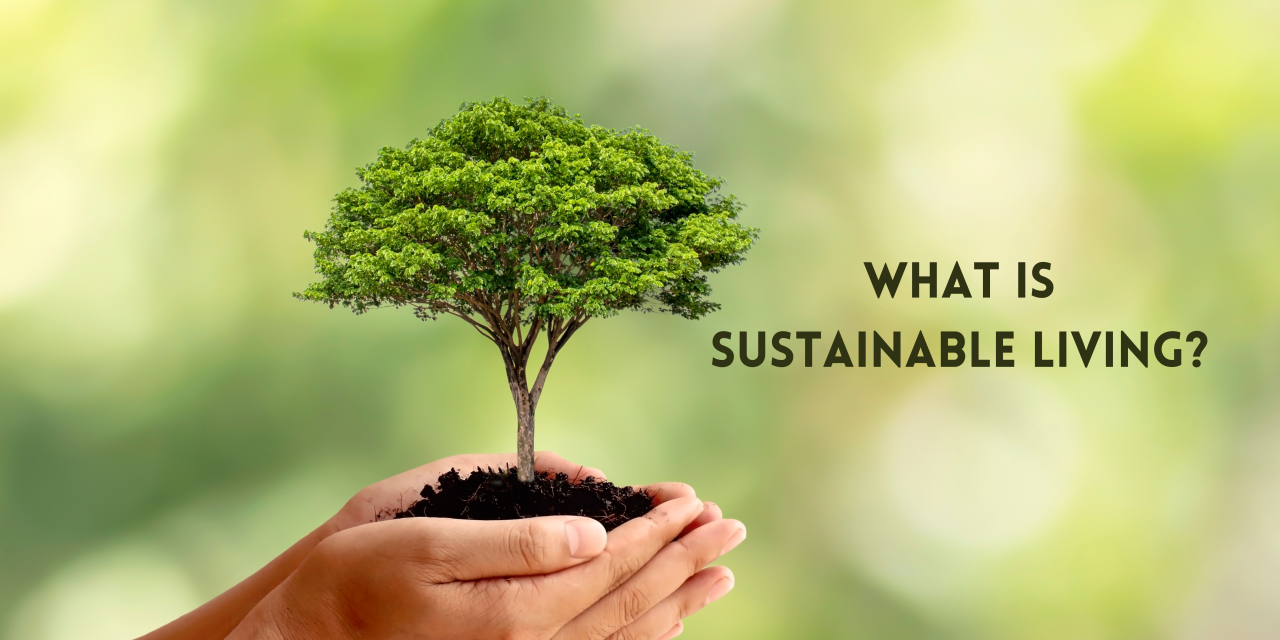
What is Sustainable Living?
Sustainable living means adopting habits and lifestyles that reduce one’s ecological footprint. It is about living in harmony with nature rather than exploiting it. This includes:
- Conserving natural resources.
- Reducing waste and pollution.
- Using renewable energy.
- Supporting fair and eco-friendly products.
- Prioritizing quality of life over excessive consumption.
Simply put, sustainable living ensures that our needs today do not compromise the needs of future generations.
Why Sustainable Living Matters
- Climate Change Mitigation
Our everyday actions—burning fossil fuels, wasting food, overusing plastic—contribute to greenhouse gases. Sustainable practices can reduce this impact. - Conservation of Resources
Earth’s resources are finite. By using them wisely, we ensure they last longer and remain available for future generations. - Health Benefits
A sustainable lifestyle often means cleaner air, organic foods, reduced toxins, and healthier living environments. - Economic Savings
Energy-efficient appliances, minimalism, and waste reduction save money in the long run. - Ethical Responsibility
We share this planet with other living beings. Sustainable living reflects our responsibility to protect biodiversity and ecosystems.
Small Steps Toward Sustainability
1. Reduce, Reuse, Recycle
The classic “3Rs” are the backbone of sustainability. Reducing consumption, reusing products, and recycling materials prevent unnecessary waste.
Practical Steps:
- Carry a reusable water bottle and shopping bag.
- Donate clothes instead of discarding them.
- Recycle paper, plastic, glass, and metals properly.
2. Mindful Energy Use
Energy conservation reduces carbon emissions and utility bills.
Practical Steps:
- Switch off appliances when not in use.
- Use LED lights.
- Invest in solar panels if possible.
- Insulate homes to reduce heating/cooling needs.
3. Sustainable Food Choices
Food production is a major driver of environmental impact. Sustainable diets are both healthy and eco-friendly.
Practical Steps:
- Eat more plant-based meals.
- Support local farmers and seasonal produce.
- Reduce food waste by planning meals.
- Compost kitchen scraps.
4. Eco-Friendly Transportation
Transportation contributes heavily to greenhouse gases. Switching to sustainable options can make a big difference.
Practical Steps:
- Walk or cycle for short distances.
- Use public transportation.
- Carpool when possible.
- Consider electric or hybrid vehicles.
5. Water Conservation
Freshwater is a limited resource. Simple habits can significantly reduce wastage.
Practical Steps:
- Fix leaky taps.
- Collect rainwater.
- Use low-flow showers and toilets.
- Avoid overwatering gardens.
6. Minimalism and Conscious Consumption
Buying less means wasting less. Minimalism promotes quality over quantity.
Practical Steps:
- Avoid impulse purchases.
- Invest in durable, timeless products.
- Choose sustainable brands.
7. Eco-Friendly Homes
Our homes consume energy and resources, but sustainable choices can minimize their footprint.
Practical Steps:
- Use natural ventilation and daylight.
- Install energy-efficient appliances.
- Choose eco-friendly construction materials.
8. Digital Sustainability
Even digital activities have environmental impacts due to data storage and energy use.
Practical Steps:
- Unsubscribe from unnecessary emails.
- Delete unused files and apps.
- Stream at lower resolutions when possible.
Collective Impact of Small Steps
Individually, small actions may seem insignificant, but collectively they can transform societies. For instance:
- If one million people reduced food waste, millions of tons of carbon emissions could be avoided.
- If every household switched to LED lighting, the global energy savings would equal the output of multiple power plants.
- If communities embraced cycling, cities would reduce pollution, improve health, and ease traffic congestion.
The ripple effect of these changes is powerful.
Stories of Sustainable Living in Action
- Bhutan – Gross National Happiness: Bhutan prioritizes environmental conservation, with over 70% forest cover, showing that development can be sustainable.
- Germany – Renewable Energy Leader: Germany’s Energiewende movement transformed its energy sector, with renewables supplying nearly half of its electricity.
- Zero-Waste Families (Global): Ordinary families worldwide adopt zero-waste lifestyles, fitting a year’s trash into a single jar.
- Indian Villages Going Solar: Remote villages in India have adopted solar micro-grids, improving lives while reducing dependence on fossil fuels.
Overcoming Challenges in Sustainable Living
- Mindset Change
Many people think small actions don’t matter. Education and awareness campaigns are essential to change this perspective. - Accessibility and Cost
Eco-friendly products can sometimes be expensive or hard to find. Governments and businesses must make them affordable and accessible. - Cultural Habits
Traditional consumption patterns and convenience-driven lifestyles can hinder change. Community initiatives can encourage gradual adoption. - Lack of Policy Support
Without supportive laws and infrastructure, sustainable living can be difficult. Strong policies are needed to encourage green practices.
The Role of Education and Awareness
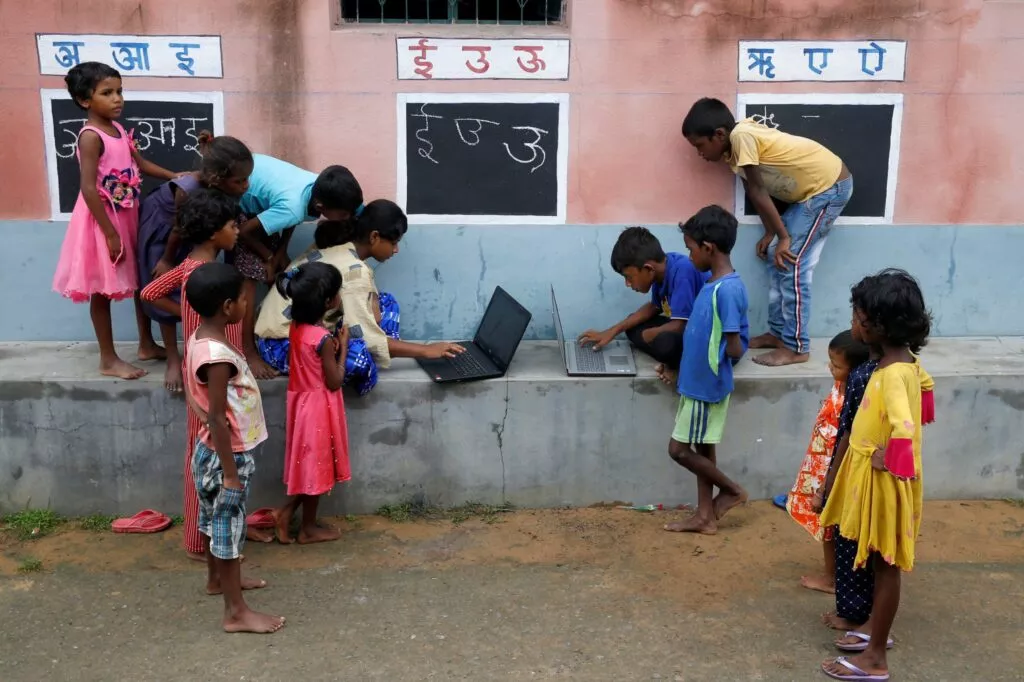
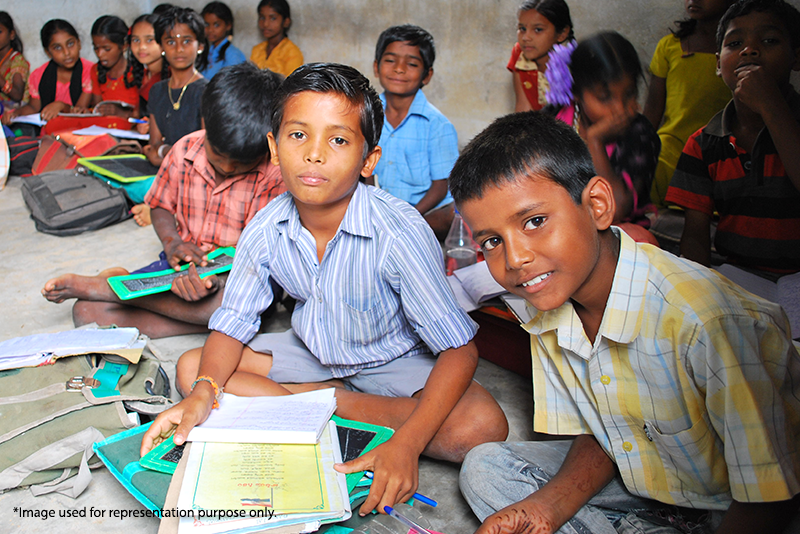
Education is the foundation of sustainability. Schools, colleges, and communities must instill values of environmental stewardship. Media and influencers can amplify awareness, while governments and NGOs can provide training programs on eco-friendly living.
Building a Sustainable Future Together
Sustainability is not just an individual journey—it requires collective action. Here’s how different groups can contribute:
- Individuals: Adopt eco-friendly habits.
- Families: Teach children sustainable values.
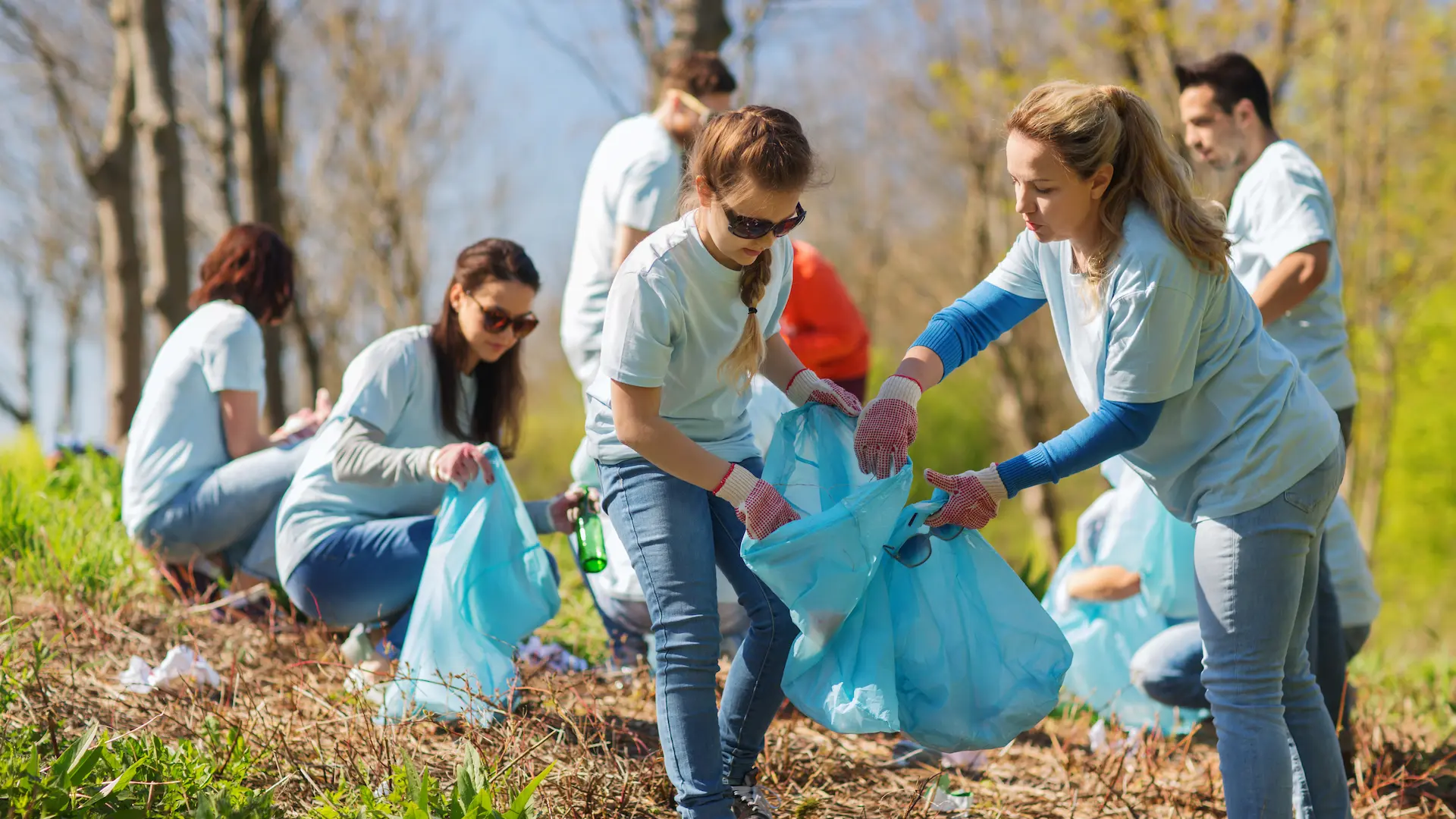
- Communities: Promote recycling drives and community gardens.
- Corporations: Reduce emissions, adopt green supply chains.
- Governments: Invest in renewable energy, sustainable agriculture, and eco-friendly infrastructure.
Conclusion
Sustainable living is not about radical overnight changes. It is about small, conscious steps taken consistently. Choosing a reusable bag, saving water, cycling to work, or eating plant-based meals may seem minor, but when multiplied by millions, they create waves of transformation.
The truth is simple: we cannot wait for others to save the planet. Each of us must take responsibility. Together, these small steps can create a future where humanity and nature thrive in harmony.
The journey toward sustainability is both a challenge and an opportunity. With commitment, awareness, and collective action, we can prove that small steps truly lead to big change.
Read morehttps://two.calebmedia.in/wp-admin/post.php?post=200&action=edit
Read morewww.unep.org/explore-topics