Introduction
Volunteering: Transform Communities and Drive Social Development is more than just offering time or service—it is the heartbeat of social development. Across cultures and centuries, volunteers have been the invisible hands shaping communities, lifting the vulnerable, and driving positive change. From building schools and planting trees to mentoring youth and responding to disasters, volunteering transforms societies one act of kindness at a time.
Volunteering: Transform Communities and Drive Social Development While governments and organizations play vital roles in development, volunteering empowers individuals to contribute directly, creating ripple effects that strengthen families, neighborhoods, and entire nations. Beyond social impact, volunteering also nurtures personal growth, empathy, and leadership skills.
Volunteering: Transform Communities and Drive Social Development This blog explores the importance of Volunteering: Transform Communities and Drive Social Development, its impact on social development, inspiring stories, challenges, and practical ways individuals can engage to create meaningful change.
The Meaning of Volunteering
Volunteering: Transform Communities and Drive Social Development is the act of willingly offering time, skills, or resources for the benefit of others without expecting monetary rewards. It is an expression of compassion, civic responsibility, and social commitment.
Volunteering: Transform Communities and Drive Social Development can serve in various capacities:
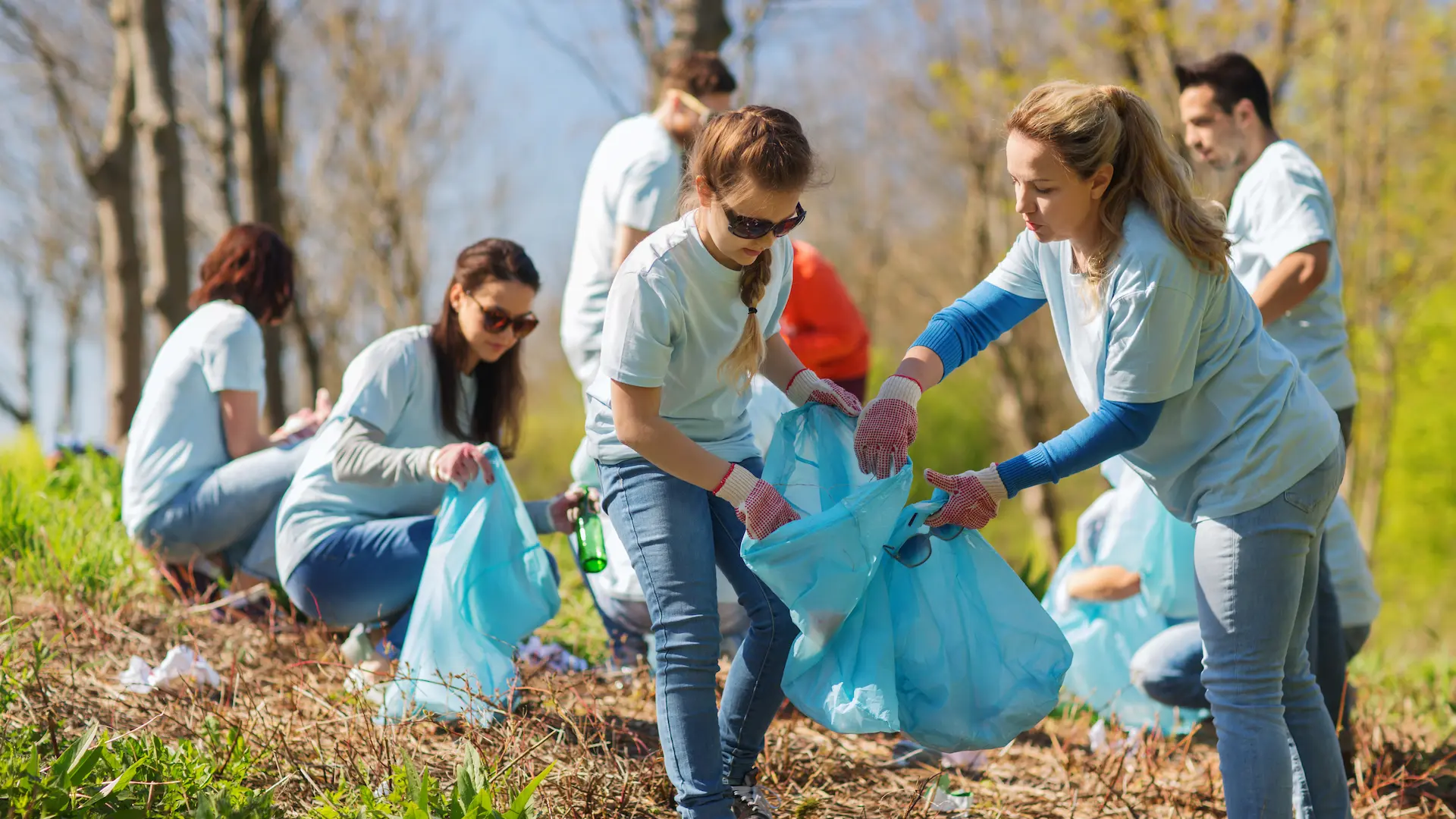
- Community Service: Cleaning public spaces, planting trees, or organizing local events.
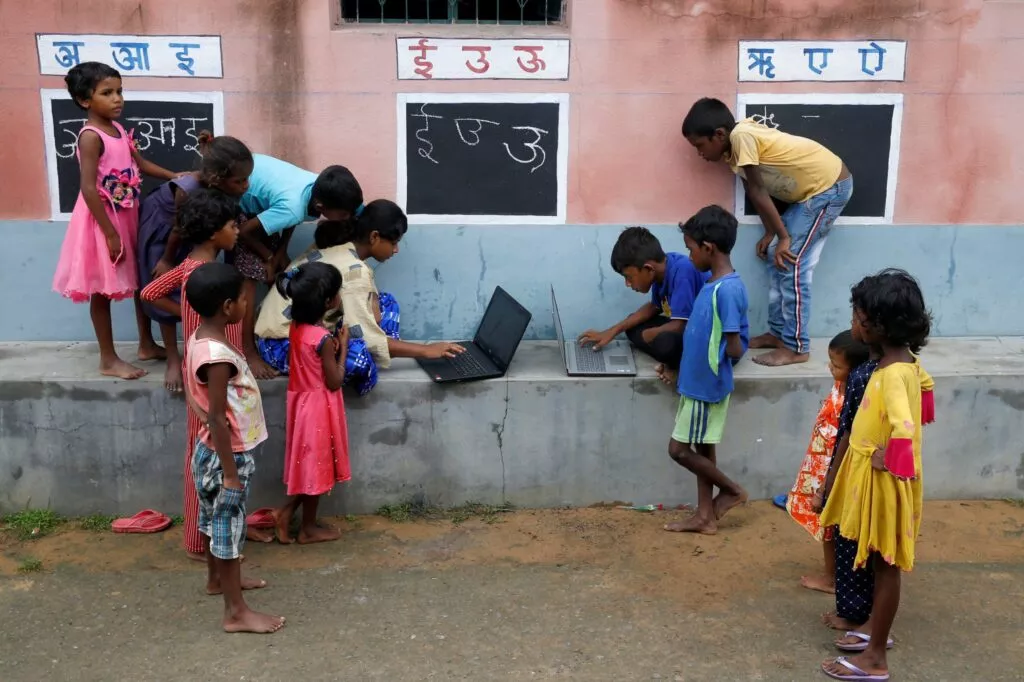
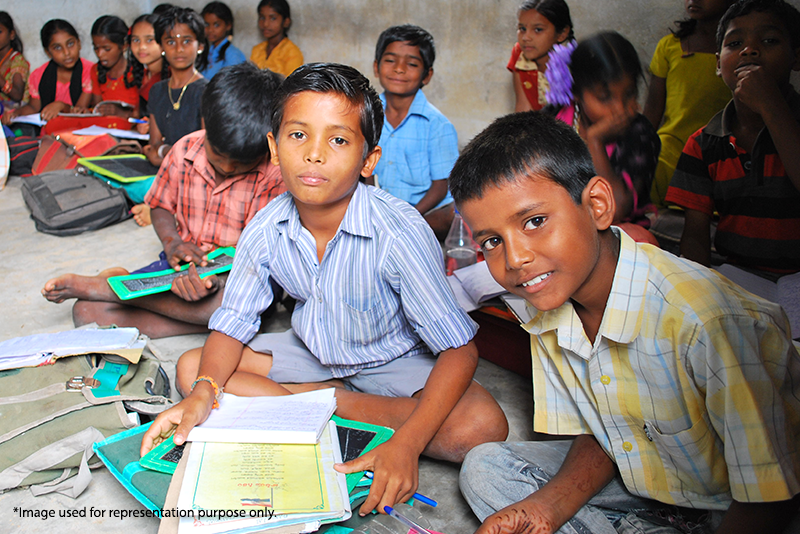
- Education and Mentorship: Tutoring children, training adults, or mentoring youth.
- Healthcare Assistance: Supporting hospitals, vaccination drives, or health awareness campaigns.
- Disaster Relief: Providing aid during floods, earthquakes, or pandemics.
- Advocacy and Awareness: Campaigning for social justice, environmental protection, or human rights.
Why Volunteering Matters
1. Strengthens Communities
Volunteering: Transform Communities and Drive Social Development address local needs that may otherwise go unmet. Community clean-ups, literacy programs, or neighbourhood health initiatives create safer, stronger, and more resilient communities.
2. Promotes Social Cohesion
Volunteering: Transform Communities and Drive Social Development brings people together across cultural, economic, and generational divides. It fosters collaboration, understanding, and shared purpose.
3. Enhances Education and Skills
Volunteering: Transform Communities and Drive Social Development contribute to education through tutoring, mentoring, or organising learning workshops. At the same time, volunteers gain leadership, communication, and problem-solving skills.
4. Supports Vulnerable Populations
Volunteering From elderly care to refugee support, volunteers fill gaps in social services, ensuring that marginalized populations receive essential assistance.
5. Catalyzes Civic Engagement
Volunteering Active volunteers are more likely to participate in civic duties, such as voting, advocacy, and community planning. Volunteering cultivates a sense of responsibility toward society.
Volunteering and Social Development
Volunteering Social development refers to the process of improving the well-being of people and communities. Volunteering directly contributes to this by:
- Education Access: Volunteers run literacy campaigns, after-school programs, and skill-training workshops.
- Healthcare Support: Community health programs, vaccination drives, and mental health awareness rely heavily on volunteer support.
- Environmental Conservation: Tree planting, clean water campaigns, and wildlife protection initiatives are powered by volunteer efforts.
- Disaster Relief: Volunteers provide immediate support and long-term recovery in times of crisis.
- Youth and Women Empowerment: Mentoring, career guidance, and skill-building programs uplift vulnerable groups.
Inspiring Stories of Volunteers
1. Mahatma Gandhi – Community Service and Social Change
Gandhi’s voluntary work in villages, sanitation drives, and social reform inspired a nation. His principle of “service before self” became a guiding light for social development in India.
2. Mother Teresa – Compassion in Action
Volunteering Through the Missionaries of Charity, Mother Teresa devoted her life to serving the poor, sick, and marginalized, showing the transformative power of volunteer-led compassion.
3. Volunteers in Natural Disasters
VolunteeringDuring the 2004 Indian Ocean tsunami and 2015 Nepal earthquake, volunteers from around the world provided rescue, medical aid, and rehabilitation.
4. Grassroots Environmental Volunteers
Volunteering Local communities worldwide engage in tree planting, river cleaning, and anti-plastic campaigns, proving that small volunteer actions can have a massive ecological impact.
How Volunteering Builds Personal Growth
While Volunteering: Transform Communities and Drive Social Development primarily benefits society, it also transforms the volunteer:
- Empathy and Compassion: Working closely with those in need cultivates understanding and emotional intelligence.
- Skill Development: Leadership, teamwork, problem-solving, and communication skills are honed in volunteer roles.
- Mental Well-being: Studies show volunteering improves mood, reduces stress, and fosters a sense of purpose.
- Networking Opportunities: Volunteers connect with like-minded individuals, NGOs, and organizations, opening doors for future opportunities.
- Civic Responsibility: Engagement fosters awareness of societal issues and inspires active citizenship.
Challenges in Volunteering
Despite its benefits, volunteering faces several challenges:
- Lack of Awareness: Many people are unaware of volunteer opportunities or their impact.
- Time Constraints: Modern lifestyles make it difficult for individuals to dedicate time consistently.
- Limited Resources: Nonprofits and volunteer programs may lack funding, training, or coordination.
- Burnout: Volunteers may face emotional fatigue, especially in disaster or healthcare roles.
- Recognition Issues: Lack of acknowledgment can demotivate volunteers, reducing long-term engagement.
Strategies to Promote Volunteering
1. Community Engagement Programs
Volunteering Local authorities and NGOs can organize campaigns to educate people about volunteering benefits and opportunities.
2. School and College Initiatives
Embedding volunteering into education systems encourages youth participation early on, fostering lifelong civic engagement.
3. Corporate Social Responsibility (CSR)
Companies can promote employee volunteering, providing time, resources, and incentives for community service.
4. Digital Platforms
Apps and websites can match volunteers with opportunities based on skills, interests, and location.
5. Recognition and Incentives
Certificates, awards, and public acknowledgment can motivate volunteers and highlight the value of their work.
Volunteering and Global Development Goals
Volunteering: Transform Communities and Drive Social Development plays a critical role in achieving the United Nations’ Sustainable Development Goals (SDGs), including:
- No Poverty: Volunteers contribute to poverty alleviation programs and microfinance support.
- Quality Education: Tutoring and mentorship programs increase learning opportunities.
- Good Health and Well-being: Volunteers support vaccination drives, health camps, and awareness campaigns.
- Gender Equality: Mentoring, advocacy, and empowerment programs advance women’s rights.
- Climate Action: Environmental volunteering addresses conservation, clean-up drives, and sustainable practices.
How to Start Volunteering
- Identify Your Passion: Choose causes that align with your skills and values.
- Find Opportunities: Explore NGOs, community centers, schools, or online platforms.
- Commit Time: Even a few hours per week can make a difference.
- Develop Skills: Attend training sessions to enhance effectiveness.
- Collaborate: Work with others for greater impact.
- Reflect and Learn: Evaluate your experience and adapt for continuous improvement.
The Ripple Effect of Volunteering
Volunteering: Transform Communities and Drive Social Development is not just a single act—it creates a ripple effect:
- Children inspired by volunteer-led programs may grow up giving back to society.
- Communities empowered by volunteers can take ownership of local initiatives.
- Nations benefit from a culture of empathy, collaboration, and civic responsibility.
Even small acts—like mentoring a child, planting a tree, or cleaning a river—contribute to long-term social development.
Conclusion
Volunteering: Transform Communities and Drive Social Development embodies the spirit of social development. It bridges gaps, strengthens communities, and empowers both the giver and receiver. While governments, policies, and organizations provide structure and resources, it is the selfless acts of volunteers that bring real transformation to the ground.
At its heart, volunteering is about humanity—connecting with others, understanding their struggles, and taking action. It teaches compassion, responsibility, and leadership, while creating a society where people support one another and work collectively toward shared progress.
As Mahatma Gandhi said: “The best way to find yourself is to lose yourself in the service of others.” By embracing the spirit of volunteering, we not only help those in need but also build a society that is resilient, inclusive, and thriving.
read morehttps://two.calebmedia.in/wp-admin/post.php?post=187&action=edit
read morehttps://www.helpguide.org/mental-health/wellbeing/volunteering-and-its-surprising-benefits