Introduction
Human beings are social by nature. From the beginning of civilization, people have lived together, built relationships, and formed communities. These communities are not just groups of people living in the same area—they are networks of trust, cooperation, and shared goals. A strong community is the foundation of social development, and without it, progress often becomes shallow and unsustainable.
In today’s world, where individualism and rapid urbanization are often emphasized, the idea of community can sometimes be neglected. Yet, when people come together with a common vision, the impact is powerful: poverty can be reduced, opportunities can be created, and social wellbeing can flourish. This article explores the importance of building strong communities, the key elements that make them thrive, and practical steps we can take to strengthen them.
Why Communities Matter in Social Development
- Support Systems: Communities provide emotional, financial, and practical support. In times of crisis—whether it’s illness, natural disaster, or unemployment—community members step in to help.
- Shared Resources: Strong communities pool resources to solve local problems, such as building schools, improving sanitation, or providing microloans.
- Identity and Belonging: Being part of a community gives people a sense of identity, pride, and belonging, which improves mental health and reduces loneliness.
- Collective Action: A united community has the power to demand justice, improve governance, and hold authorities accountable.
Without strong communities, development remains top-down, disconnected, and often fails to reach the people who need it most.
Elements of a Strong Community
Building a resilient and thriving community is not accidental. It requires several key elements:
1. Trust and Relationships
Trust is the foundation of any relationship, and communities are no exception. People must feel safe and valued in their interactions. When neighbors trust each other, they cooperate more, resolve conflicts peacefully, and build lasting bonds.
2. Participation and Inclusivity
Every member—regardless of age, gender, religion, or background—should feel included. Inclusivity ensures that no one is left behind and that development benefits all.
3. Shared Vision and Goals
A strong community has a collective vision. For example, some communities unite around improving education, while others may focus on sustainable farming or reducing crime. A shared vision guides decision-making and encourages people to work together.
4. Leadership and Empowerment
Strong communities need leaders who are not dictators but facilitators. Leaders should empower others, encourage participation, and act as role models.
5. Resilience and Adaptability
Challenges—such as economic downturns, pandemics, or natural disasters—test the strength of a community. Resilient communities adapt, support each other, and rebuild stronger.
How to Build Strong Communities
1. Encourage Open Communication
Communication builds trust. Town halls, community WhatsApp groups, or even simple gatherings allow people to share concerns, suggest solutions, and stay connected.
Example: In many Indian villages, “Gram Sabhas” (village meetings) allow residents to directly voice their needs to local leaders, ensuring transparency and accountability.
2. Promote Volunteering and Service
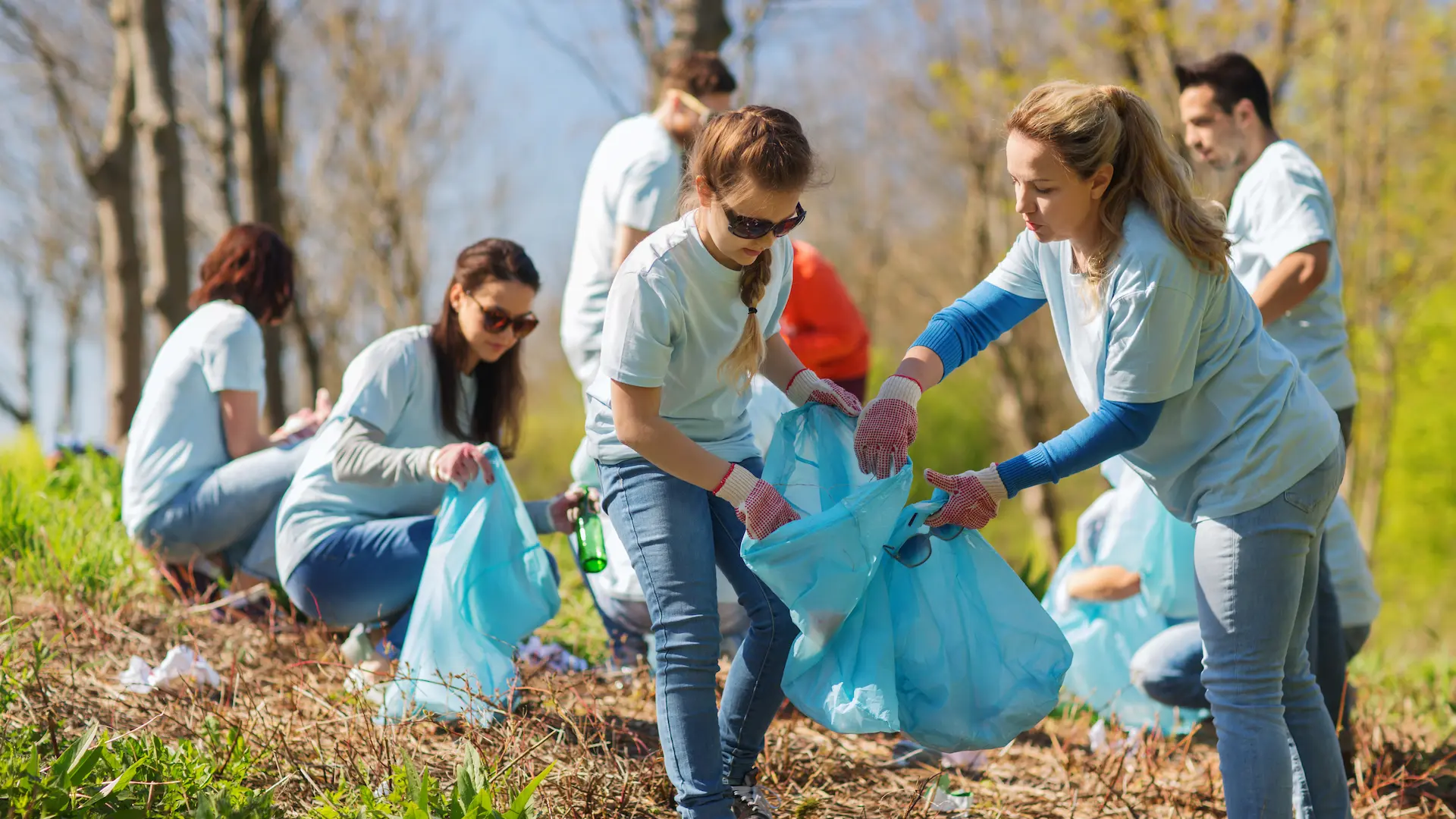
Volunteering is the heartbeat of community development. When individuals dedicate their time and skills to help others, it strengthens the social fabric.
Example: During COVID-19, communities around the world organized food drives, free mask distribution, and neighborhood support networks.
3. Build Safe Spaces for Interaction
Public spaces such as parks, libraries, or community centers create opportunities for people to meet, bond, and collaborate. Safe environments encourage dialogue across different social groups.
4. Foster Education and Skill Development
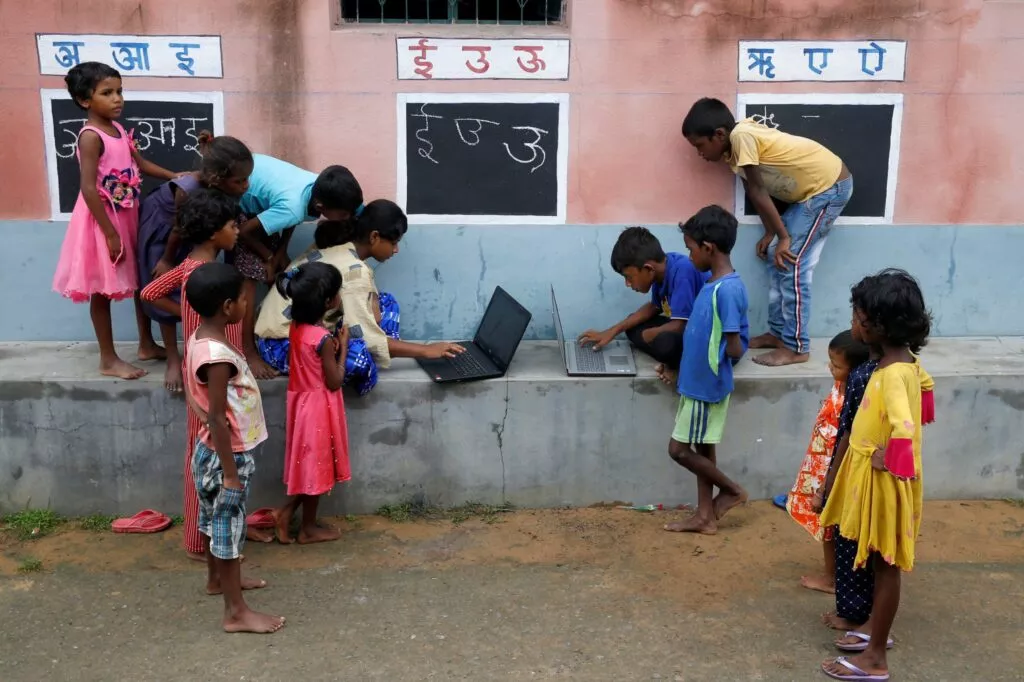
Education empowers individuals, but community-based education has an even wider impact. Adult literacy programs, skill workshops, and mentorship groups strengthen local capacities.
5. Encourage Cultural and Social Activities
Festivals, sports, and cultural programs celebrate diversity and bring joy. They also remind people that community life is not just about solving problems but also about celebrating together.
6. Empower Marginalized Voices
Communities grow stronger when women, youth, and marginalized groups are given a platform. Diversity brings fresh ideas and ensures that everyone benefits.
7. Promote Economic Cooperation
Microfinance, cooperatives, and local businesses can transform communities economically. When people support each other’s businesses, wealth circulates locally and strengthens development.
The Role of Technology in Community Building
In the digital age, communities are no longer limited by geography. Online platforms allow people to connect, share ideas, and mobilize for social change.
- Digital Communities: Facebook groups, WhatsApp communities, and local apps are powerful tools for networking.
- Crowdfunding Platforms: Communities now raise money online for healthcare, education, or disaster relief.
- E-Learning: Online classes and workshops allow people to share skills within the community.
However, technology must be used wisely. Over-reliance on digital spaces without real-life interaction can create isolation. The strongest communities balance both online and offline engagement.
Examples of Strong Communities Around the World
1. Self-Help Groups in India
Women-led self-help groups (SHGs) have transformed villages by providing microloans, running small businesses, and supporting education for girls.
2. Community Gardens in the U.S.
Urban neighborhoods with limited access to fresh food have started community gardens. These not only improve nutrition but also bring neighbors together.
3. Ubuntu Philosophy in Africa
Ubuntu, meaning “I am because we are,” emphasizes community over individualism. This philosophy fosters compassion, cooperation, and collective responsibility.
4. Neighborhood Watch Programs
In cities across the world, residents come together to reduce crime and build safer environments.
These examples show that communities, whether rural or urban, rich or poor, have immense power to transform lives.
Challenges in Building Strong Communities
While the vision is inspiring, building strong communities is not without difficulties:
- Lack of Trust: Corruption, discrimination, and past conflicts can make people suspicious.
- Inequality: Differences in wealth, caste, or gender roles can divide communities.
- Migration: In urban areas, people often move frequently, making it hard to establish deep connections.
- Dependency: Sometimes, people expect government or NGOs to do everything instead of taking local ownership.
To overcome these, communities must prioritize dialogue, fairness, and empowerment.
The Long-Term Impact of Strong Communities
When communities are strong, the benefits multiply:
- Economic Growth: Collective businesses and cooperation boost financial stability.
- Health and Wellbeing: People support each other in sickness, improving overall health outcomes.
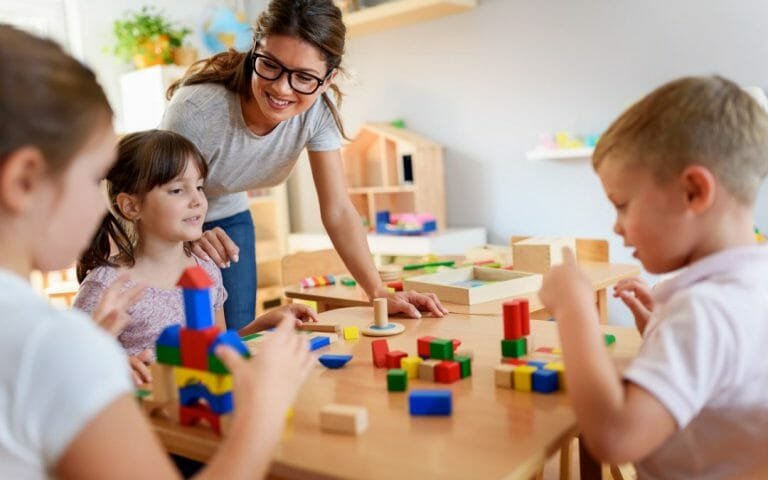
- Education: Shared efforts ensure that every child has access to learning.
- Peace and Stability: Communities that trust each other are less likely to experience violence or unrest.
- Sustainability: Strong communities protect their environment and use resources wisely.
Ultimately, strong communities are the foundation of a strong nation.
Conclusion
Social development is not built only through policies or government programs—it begins at the community level. A strong community is one where people trust each other, work together, and build a shared future. By promoting inclusivity, empowering local leaders, and fostering cooperation, we can create societies that are not only developed but also humane and resilient.
The heart of social development is not in infrastructure or technology but in people—ordinary people who come together to do extraordinary things. When we build strong communities, we build strong nations. And when we build strong nations, we contribute to a better world.
For more informationhttps://buildingstrong.org/
read morehttps://two.calebmedia.in/wp-admin